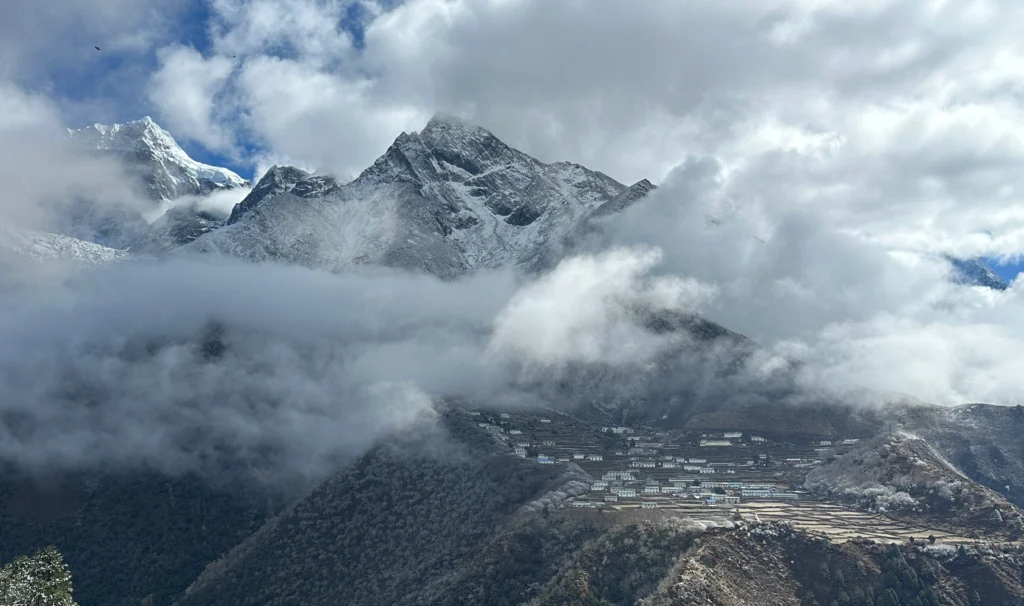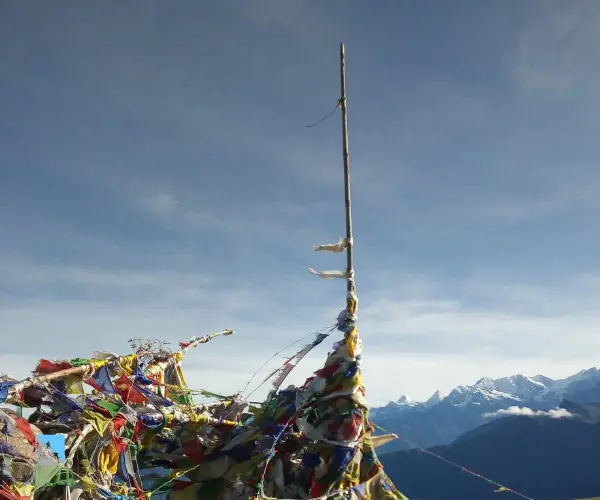
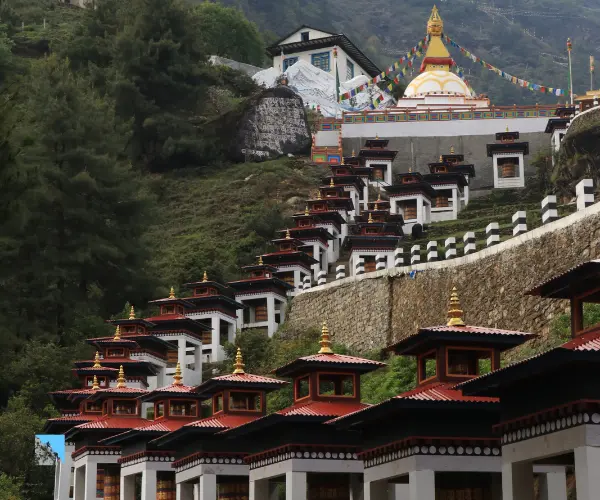
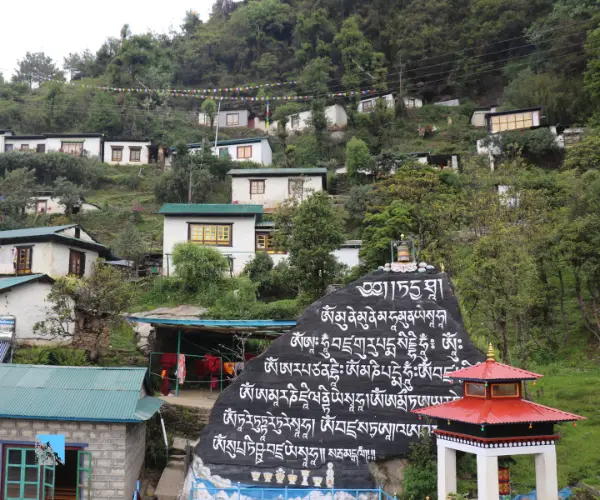
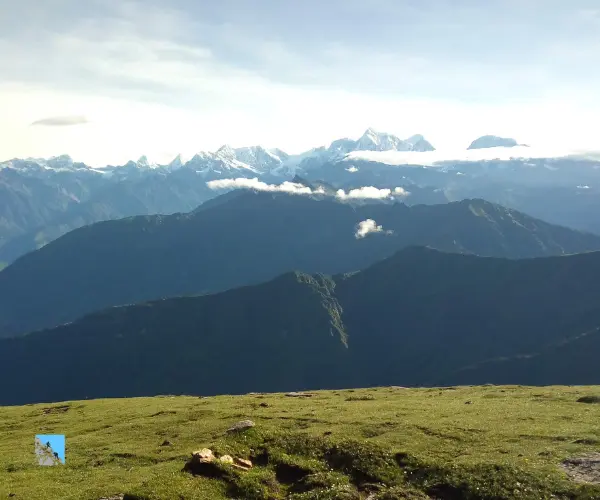
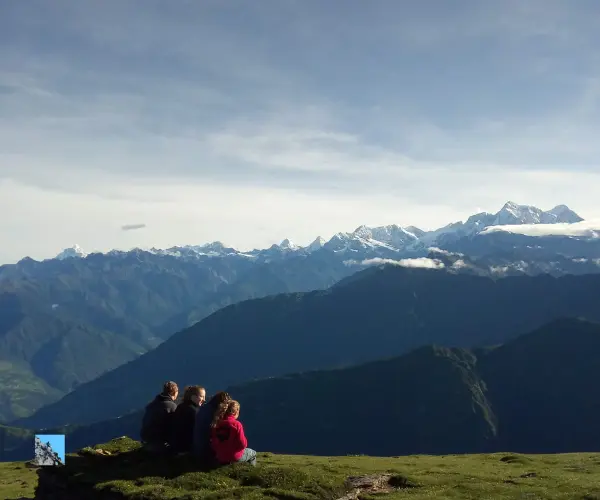
- Summit Pikey Peak (4,067m) for spectacular Everest sunrise views
- Visit sacred Dudhkunda Lake (4,561m)
- Cross Taktor La Pass (4,380m)
- Explore Junbesi and Thubten Choling Monastery
- Experience authentic Sherpa culture
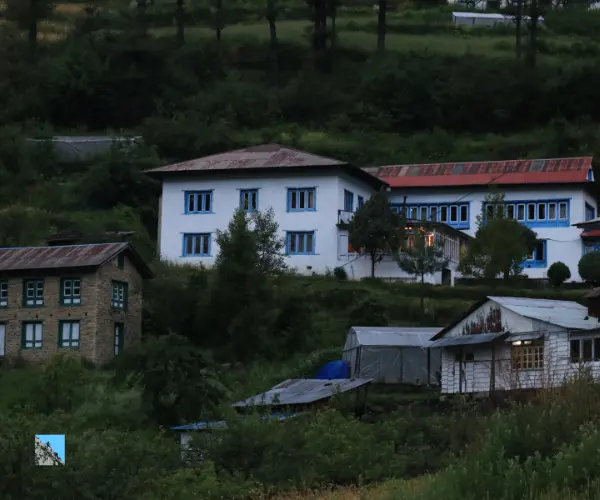
- Trek through rhododendron forests and remote mountain villages
- Travel far from Nepal’s crowded trekking routes
- Guided by Himalayan Leaders since 1989
Dudhkunda Lake & Pikey Peak – 12 Days Solu Khumbu Trek Nepal
Recommended by 99% of travelers
Country
Nepal
Duration
12 Days
Difficulty
Moderate
Activity
Trekking
Best Season
Oct-Nov | March-May
Accommodation
Hotel and Tea Houses
Region
Everest Region Treks
Start / End Point
Jiri/Jhapre
Max. Altitude
4,561 - Dudhkunda Lake
Meals Included
All Meals (Breakfast, Lunch & Dinner) during the trek
Lorem ipsum dolor sit amet, consectetur adipiscing elit. Sed maximus ante neque, et tincidunt metus convallis ut.
Nature Of Trek
Lodge to Lodge
Activity Per Day
4-6 hours walking
Transportation
Private Jeep
Highlights
Day to day Itinerary
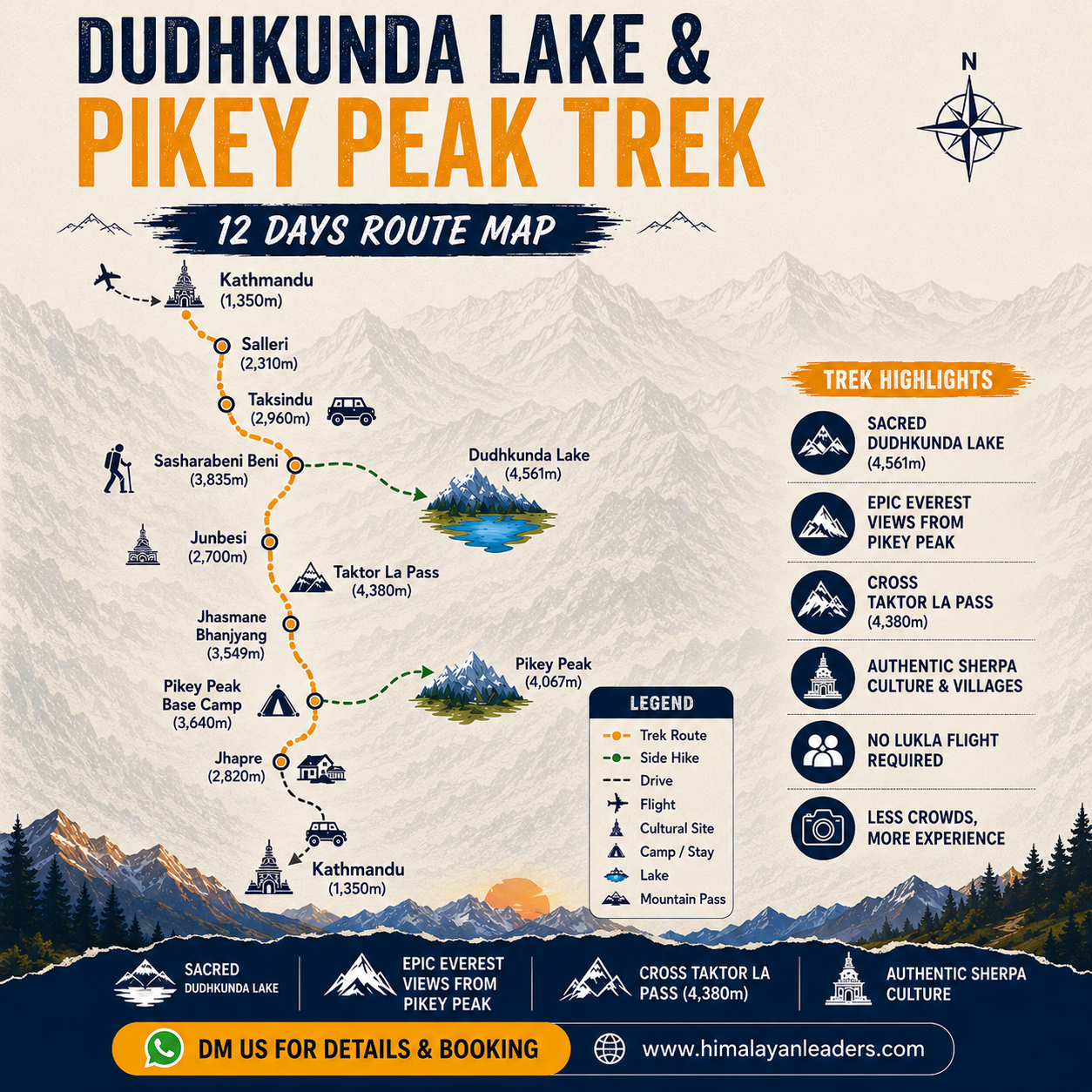
Arrival in Kathmandu
Highest Altitude
1350 m
Your journey begins the moment you land at Tribhuvan International Airport. Himalayan Leaders representative will meet you at arrivals and transfer you to your hotel in Thamel. The rest of the day is yours to explore, rest, or browse gear shops. In the evening your guide joins you for a trek briefing and kit check.
Sightseeing in Kathmandu Valley (1,350m)
Highest Altitude
1350 m
We explore three UNESCO World Heritage Sites: Pashupatinath Temple on the banks of the sacred Bagmati River, Boudhanath Stupa (the largest stupa in Nepal and a beating heart of Tibetan Buddhist culture), and Swayambhunath (the Monkey Temple) with its panoramic views over the valley. This cultural day gives you essential context for the Sherpa communities you will meet on the trail.
Jeep Drive from Kathmandu to Taksindu (2,960m)
Highest Altitude
2,960 m
We depart early by private jeep, driving southeast into the Solu Khumbu region. The road winds through terraced farmland, river valleys, and forested ridgelines, gradually gaining altitude. The drive takes approximately 8 to 9 hours with scheduled rest and meal stops. Arriving at Taksindu in the late afternoon, you feel the cooler mountain air and the quietness of the high hills. Taksindu is home to a historic Nyingma monastery, one of the most important in the Khumbu region.
Driving hours: +- 10 hours
Driving Distance: 285 km
Trek from Taksindu to Sasharabeni (3,835m)
Trek Distance
12 KM
Trek Duration
7 hours walking
Highest Altitude
3,835
Today’s trek takes you deeper into the Solu highlands along a trail that rises steadily through mixed forests of rhododendron, oak, and bamboo. The path is traditional and quiet, passing through small Sherpa and Rai settlements where life moves at its own pace. You gain significant altitude today, and the trail rewards you with increasingly dramatic views. Sasharabeni serves as our base for the Dudhkunda day hike.
Hike to Dudhkunda Lake (4,561m) & Return to Sasharabeni (3,835m)
Trek Distance
7 KM
Trek Duration
7 hours walking
Highest Altitude
4,561 m
One of the most memorable days of the journey. We leave early and ascend to Dudhkunda Lake, a sacred glacial lake perched below snow-streaked cliffs. The name means ‘lake of milk’ and on clear mornings the water reflects the surrounding ridges perfectly. The lake holds deep religious significance for both Hindus and Buddhists; during Janai Purnima thousands of pilgrims make this journey. We spend time at the lake before returning to Sasharabeni for the night.
Trek from Sasharabeni to Junbesi via Taktor La Pass (4,380m) - Packed Lunch Provided
Trek Distance
13 KM
Trek Duration
7 hours walking
Highest Altitude
4,380 m
Today is the most challenging and spectacular day of the trek. We cross the Taktor La Pass at 4,380m, a traditional mountain crossing decorated with prayer flags offering panoramic views over the Solu Valley. The descent is long but beautiful, winding through pasture land and forest into the Junbesi valley. A packed lunch is essential as there are no teahouses mid-route. We arrive in Junbesi by late afternoon.
Explore Junbesi (2,700m)
Highest Altitude
2,700 m
Junbesi is a rest day with much to experience. The village sits in a wide, sunny valley surrounded by terraced fields and forested hillsides. The main highlight is Thubten Choling Monastery, founded by the late Trulshik Rinpoche and home to several hundred monks and nuns. A visit here is genuinely moving. You can also walk through the village, photograph the traditional Sherpa architecture, and breathe in the peace of a place the world has not yet overrun.
Trek from Junbesi to Jhasmane Bhanjyang (3,549m)
Trek Distance
11 KM
Trek Duration
5 hours walking
Highest Altitude
3,549 m
We leave Junbesi and begin climbing again, heading northeast along the Sherpa trail. The route passes through dense forest and small settlements before opening up to high ridgeline terrain. Jhasmane Bhanjyang is a pass-side hamlet with teahouses and beautiful views. This is a transitional day, moving from the valley warmth of Junbesi toward the higher terrain leading to Pikey Peak.
Trek from Jhasmane Bhanjyang to Pikey Peak Base Camp (3,640m)
Trek Distance
5 KM
Trek Duration
3 hours walking
Highest Altitude
3,640 m
A shorter day allowing you to arrive at Pikey Peak Base Camp with energy to spare. The trail continues through beautiful high-altitude terrain with increasingly open Himalayan views. We arrive early afternoon, giving time to rest, hydrate well, and prepare for the pre-dawn summit push tomorrow. Your guide briefs the group on the morning plan and current summit conditions.
Summit Pikey Peak (4,067m) & Trek Down to Jhapre (2,820m)
Trek Distance
13 KM
Trek Duration
6 hours walking including hike
Highest Altitude
4,067 m
Pre-dawn start, headlamps on. We begin the summit push in darkness to reach the top of Pikey Peak before sunrise. As the first light touches the Himalayan horizon, the panorama is extraordinary: Everest, Lhotse, Makalu, Cho Oyu, and Kangchenjunga spread across the full width of your vision. Sir Edmund Hillary described the view as among the finest he had seen in Nepal. After sunrise we descend all the way to Jhapre, a long but satisfying journey.
Jeep Drive from Jhapre to Kathmandu (1,350m)
Highest Altitude
2,820
Our final morning on the trail. We board a jeep from Jhapre back to Kathmandu, approximately 7 to 8 hours. The drive offers a final look at the hills and valleys of Solu from a different perspective. Arriving in Kathmandu in the early evening, there is time to shower, eat a proper city meal, and celebrate the end of 12 extraordinary days.
Driving hours: +- 8 hours
Driving Distance: 245 km
Departure
Highest Altitude
1350 m
Include
- All airport transport by private vehicle
- Welcome dinner upon arrival
- Senior Government-licensed culture guide for city sightseeing in Kathmandu Valley
- Private transport during city sightseeing in Kathmandu Valley
- Private transport from Kathmandu to Taksindu
- Twin sharing accommodation in 3* hotel in Kathmandu including breakfast.
- Three meals (Breakfast, Lunch, Dinner) a day during trekking, including one cup of tea/coffee
- Senior Government-licensed, English-speaking trekking guide during the trek.
- Porter (1 porter for 2 clients) during the trek
- Wages, meals & accommodation, and insurance for all staff
- Dudhkunda Conservation Area Entry Permit, National Park Permit & TIMS Card
- First aid kit, including an oximeter to monitor your oxygen and heart rate in the mountains.
- All administration expenses and government taxes
Not-Included
- Lunch and dinner in Kathmandu
- Personal insurance and a helicopter rescue in case of emergency
- International flight and airport tax
- Monument entrance fee during city sightseeing in Kathmandu Valley
- Personal expenses
- Flight Ticket
- Other then with is not mentioned in the include section
Essential Information
Trek Grade & Fitness Requirement
This trek is graded Moderate. The highest altitude is 4,561m at Dudhkunda Lake, and the route includes a 4,380m mountain pass. No technical climbing is involved, but you need to be in good physical condition and comfortable walking up to 8 hours per day on uneven mountain trails.
We recommend regular cardiovascular exercise (hiking, running, cycling) for at least 2 months before departure. Previous trekking experience at altitude is beneficial but not mandatory. Our guides are first-aid trained, carry a pulse oximeter, and monitor the group throughout.
Best Season for Dudhkunda Lake & Pikey Peak Trek?
Autumn: October to November (Recommended)
Post-monsoon skies are crystal clear, mountain views are at their sharpest, and the trails are dry and stable. Temperatures are comfortable during the day and cold but manageable at night. This is Nepal’s prime trekking season.
Spring: March to May
The second ideal window. Rhododendron forests bloom in brilliant red and pink at lower elevations, making the Solu trail especially beautiful. Views are generally clear, though some afternoon cloud build-up is normal from April onward.
Winter: December to February
Possible for experienced cold-weather trekkers. The Taktor La Pass and Dudhkunda approach can receive heavy snowfall, making these sections difficult or impassable. Not recommended without winter mountain experience.
Monsoon: June to September
Not recommended. Heavy rainfall makes trails slippery and hazardous, leeches are common in forested sections, and mountain views are almost entirely obscured.
Required Permits
All permits below are arranged by Himalayan Leaders and included in the trek packages:
- TIMS Card (Trekkers Information Management System)
- Solu-Khumbu Restricted Area / National Park Entry Permit
- Dudhkunda Conservation Area Entry Permit
Accommodation & Food
Accommodation on this trek is in traditional teahouses, small family-run lodges that have served mountain travellers for generations. Rooms are basic twin-sharing with simple mattresses and blankets. We strongly recommend bringing your own sleeping bag rated to -10°C for warmth and hygiene at higher elevations.
Food is wholesome mountain fare: dal bhat (the classic rice, lentil, and vegetable set), noodle soups, momos, fried rice, omelettes, porridge, and pancakes. Vegetables are locally grown; protein options include eggs. Tea, coffee, and hot chocolate are available at all teahouses.
Above 3,500m, cold drinks and snacks are priced higher due to the effort of supply. We encourage use of a water filter to reduce plastic waste in the mountains.
Transportation
This trek begins with a private jeep drive from Kathmandu to Taksindu and ends with a private jeep transfer from Jhapre back to Kathmandu. The journey passes through traditional villages, terraced hillsides, and beautiful mountain landscapes, offering a glimpse of rural Nepal before and after the trek. All airport transfers and Kathmandu sightseeing transportation are included.
Gear & Packing List
Clothing
- Moisture-wicking base layers (top and bottom)
- Insulating mid-layer (fleece or light down jacket)
- Waterproof and windproof outer shell jacket and pants
- Trekking trousers (2 to 3 pairs)
- Warm hat, sun hat, and buff or neck gaiter
- Liner gloves and warm outer gloves
- Thermal socks (4 to 5 pairs)
Footwear
- Waterproof hiking boots with ankle support, broken in before the trek
- Camp sandals or light shoes for evenings at teahouses
Equipment
- Sleeping bag rated to -10 degrees Celsius (required – teahouse blankets are insufficient at high altitude)
- Trekking poles (strongly recommended for the pass crossing and long descent to Jhapre)
- Daypack 20 to 25 litres
- Main duffel bag for porter (maximum 15kg)
- Headlamp with spare batteries (essential for Day 10 pre-dawn summit)
- Sunglasses with UV400 protection
- Sunscreen SPF 50+ and lip balm
- Water bottles or hydration reservoir (2 litres minimum)
- Water purification tablets or personal filter
- Personal first aid kit (blister pads, bandages, ibuprofen, antihistamines)
- Altitude sickness medication – consult your doctor about Diamox (Acetazolamide)
Altitude, Safety & Health
The maximum altitude on this trek is 4,561m at Dudhkunda Lake. Altitude sickness (Acute Mountain Sickness, or AMS) is possible above 3,000m and must be taken seriously. The most important principle is: never ascend if you have symptoms.
Symptoms of AMS include headache, nausea, dizziness, fatigue, and loss of appetite. If any occur, inform your guide immediately. The treatment is to descend, rest, and allow acclimatisation. Our itinerary is designed with an appropriate altitude profile and acclimatisation days to minimise risk.
All Himalayan Leaders guides carry a pulse oximeter to monitor blood oxygen levels throughout the trek. We have emergency rescue coordination protocols and strong communication links with Kathmandu for helicopter evacuation if required. Travel insurance covering helicopter rescue is mandatory.
We strongly recommend consulting a travel medicine doctor before departure. Ask about Diamox (Acetazolamide), hydration protocols, and any pre-existing health conditions that may affect altitude performance.
Travel Insurance
Travel insurance is mandatory for this trek. Your policy must cover high-altitude trekking and emergency helicopter evacuation. As the route reaches 4,561m and passes through remote mountain areas, adequate insurance is essential for your safety and peace of mind.
Why Travel with Himalayan Leaders?
With over 30 years of experience, Himalayan Leaders has been operating the Dudhkunda Lake & Pikey Peak Trek since 1989, providing safe, authentic, and memorable trekking experiences.
- Experienced guides (10-15+ years)
- Strong safety and local knowledge
- Personalized service
- Deep connection with local communities
We don’t just organize treks, we create unforgettable Himalayan experiences!
FAQs
Common Questions
Is this trek suitable for beginners?
Do I need a guide for this trek?
What is the risk of altitude sickness?
How difficult is the Taktor La Pass crossing?
What makes Pikey Peak special?
What makes Dudhkunda Lake significant?
Can I customise the itinerary?
What is the best time of year?
Is travel insurance compulsory?
What is the cancellation policy?
Plan your trip on your own date
Ready to create your perfect adventure? Use our trip planner to customize your itinerary and schedule according to your preferences. We’re here to help you tailor every detail to fit your unique needs.
Similar Trips
Join us on similar trips in the same region