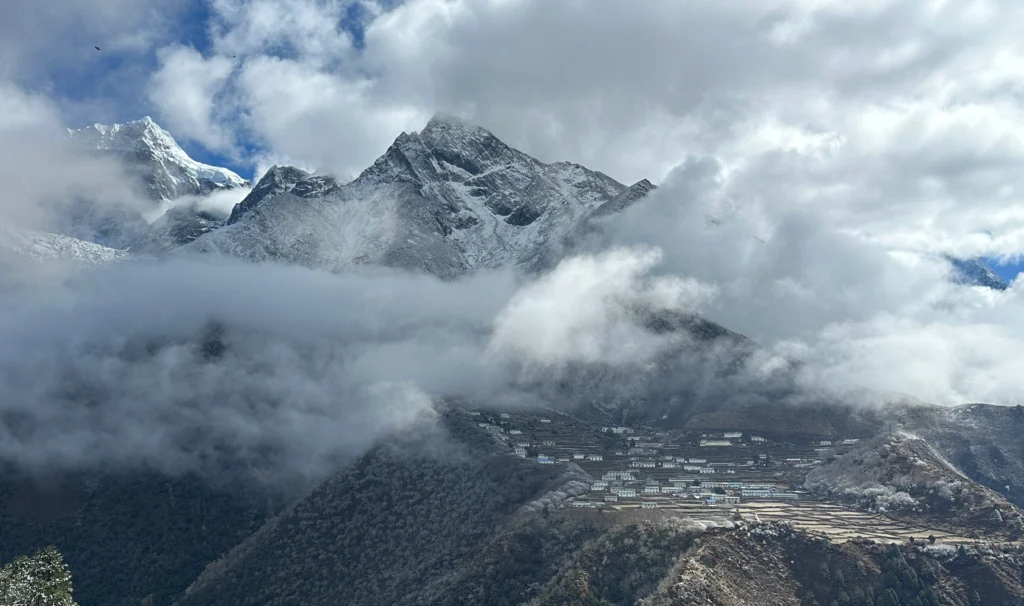
The Annapurna Base Camp Trek Beyond the Brochure
Pull up a chair. Let us be honest with you about something.
Every year, thousands of trekkers arrive in Nepal having read the same blogs, watched the same YouTube videos, and studied the same Annapurna Base Camp trek itineraries. They arrive prepared in theory. But the trail has a way of surprising even the most well-researched traveler.
At Himalayan Leaders, we have been guiding trekkers on the Annapurna Base Camp trek in Nepal for more than 30 years. Our guides have walked this trail in the heat of October, in the snow of January, in the monsoon rains of July, and on crystal-clear spring mornings when the rhododendrons are so red they stop you mid-step. We have guided solo travelers in their twenties, families with teenage children, retired couples celebrating milestones, and experienced trekkers completing their second or third Himalayan adventure.
In all those years, in all those seasons, we have noticed something. No matter how well a trekker prepares, there are always things that genuinely surprise them on the trail. Some good surprises. Some challenging ones. And some things we wish someone had simply told them before they started.
This article is that conversation. Consider it a cup of tea with our head guides before you lace up your boots. Whether you are researching the best time for your Annapurna Base Camp trek, comparing guided versus independent options, or simply trying to understand what the experience is really like, this is the honest guide we wish existed when we started our careers on these trails.
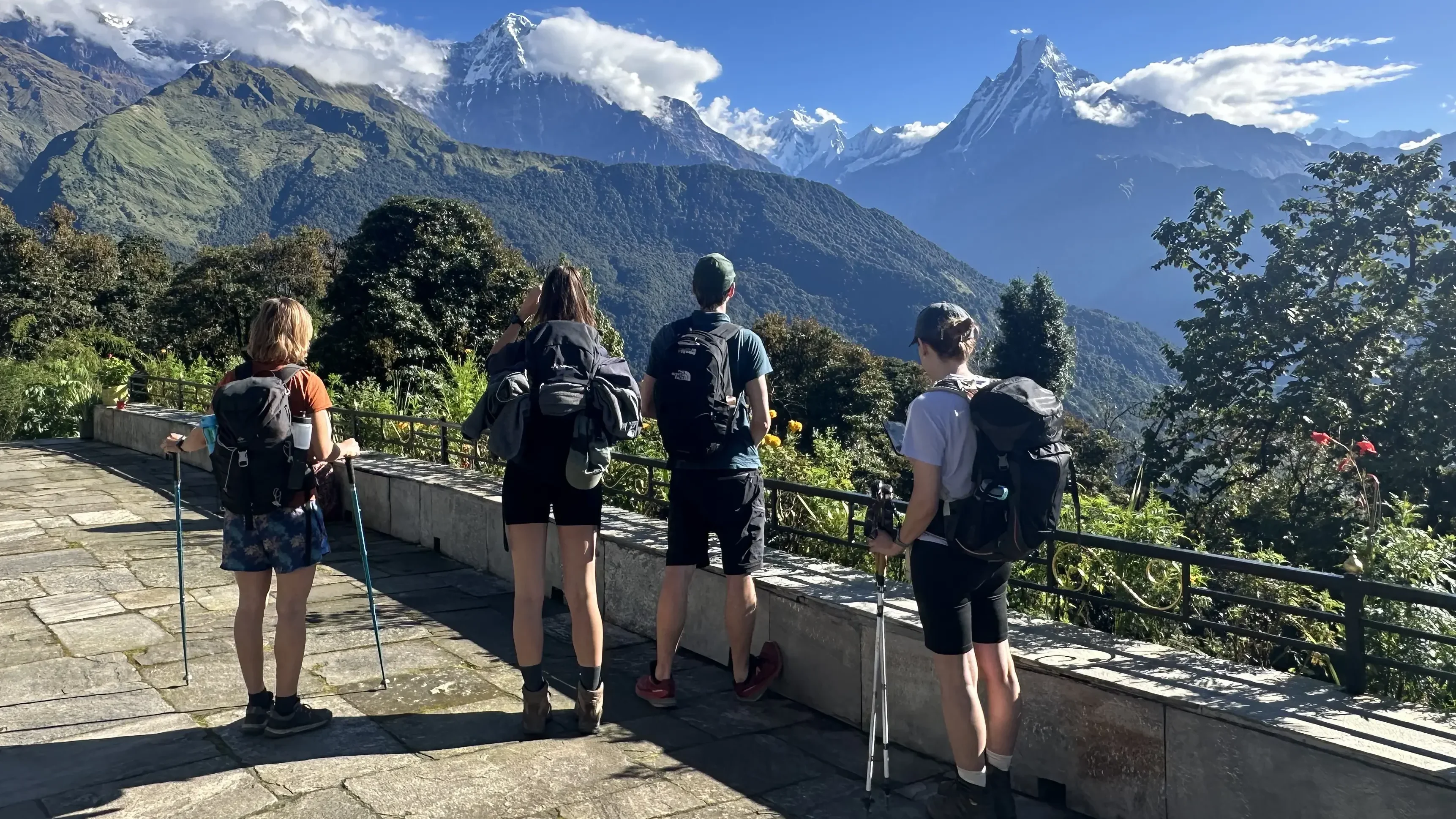
Table of Contents
The Annapurna Base Camp Trek Is More About Consistency Than Fitness
One of the most common assumptions we encounter is that the Annapurna Base Camp trek is a test of raw physical fitness. Trekkers who run marathons, train at the gym daily, or cycle regularly often arrive expecting the trail to feel manageable because of their conditioning. Sometimes they are right. Often they are the ones who push too hard on day one and struggle by day three.
Why Strong Hikers Sometimes Struggle on the ABC Trek
Fitness matters, but pacing matters more. The Annapurna Base Camp trek asks your body to work continuously over multiple days at gradually increasing altitude (Annapurna Base Camp Altitude). The total elevation gain from Nayapul to Annapurna Base Camp is approximately 2,600 metres. That gain does not happen dramatically in one day. It happens slowly, over about seven to ten days, which is precisely why pacing becomes the deciding factor in completing the trek comfortably.
Over the years, our guided Annapurna Base Camp trek teams have observed that trekkers used to intense short workouts often find the sustained, repetitive nature of multi-day trekking more demanding than expected. The body adapts differently to hours of uphill walking with a daypack at altitude than it does to an hour in the gym.
The Importance of Walking at Your Own Pace
Our guides have a phrase they use on every Annapurna Base Camp trek: ‘Bistari bistari.’ It means slowly, slowly in Nepali. It is not a joke. It is the single most important piece of trekking advice we give.
The trail will set its own rhythm if you let it. Trekkers who walk at a comfortable, conversational pace, stop to drink water regularly, rest before they feel exhausted, and sleep before they feel tired consistently perform better across the full duration of the Annapurna Base Camp trek than those who push aggressively in the early stages.
Guide Tip: Start each morning at a pace where you can still hold a relaxed conversation. If you are breathing too hard to speak comfortably, slow down. The mountain is not going anywhere.
The Stone Staircases Are Harder Than the Annapurna Base Camp Trek Itinerary Suggests
No trekking article tells you enough about the stone staircases. So we will.
Thousands of Steps Between Villages on the ABC Trail
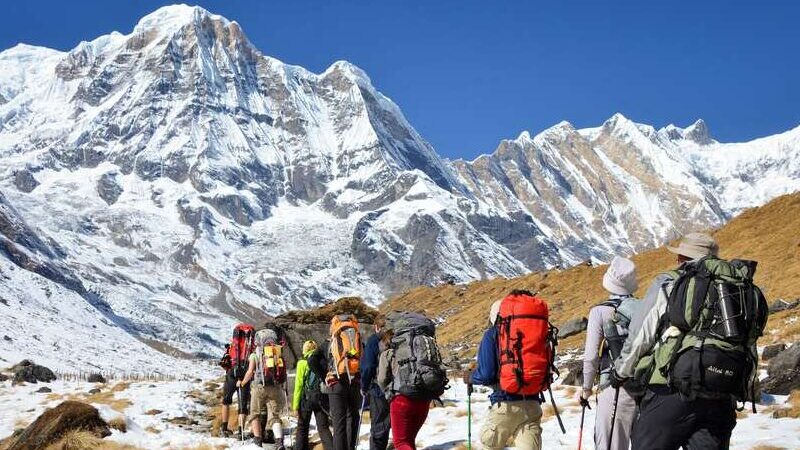
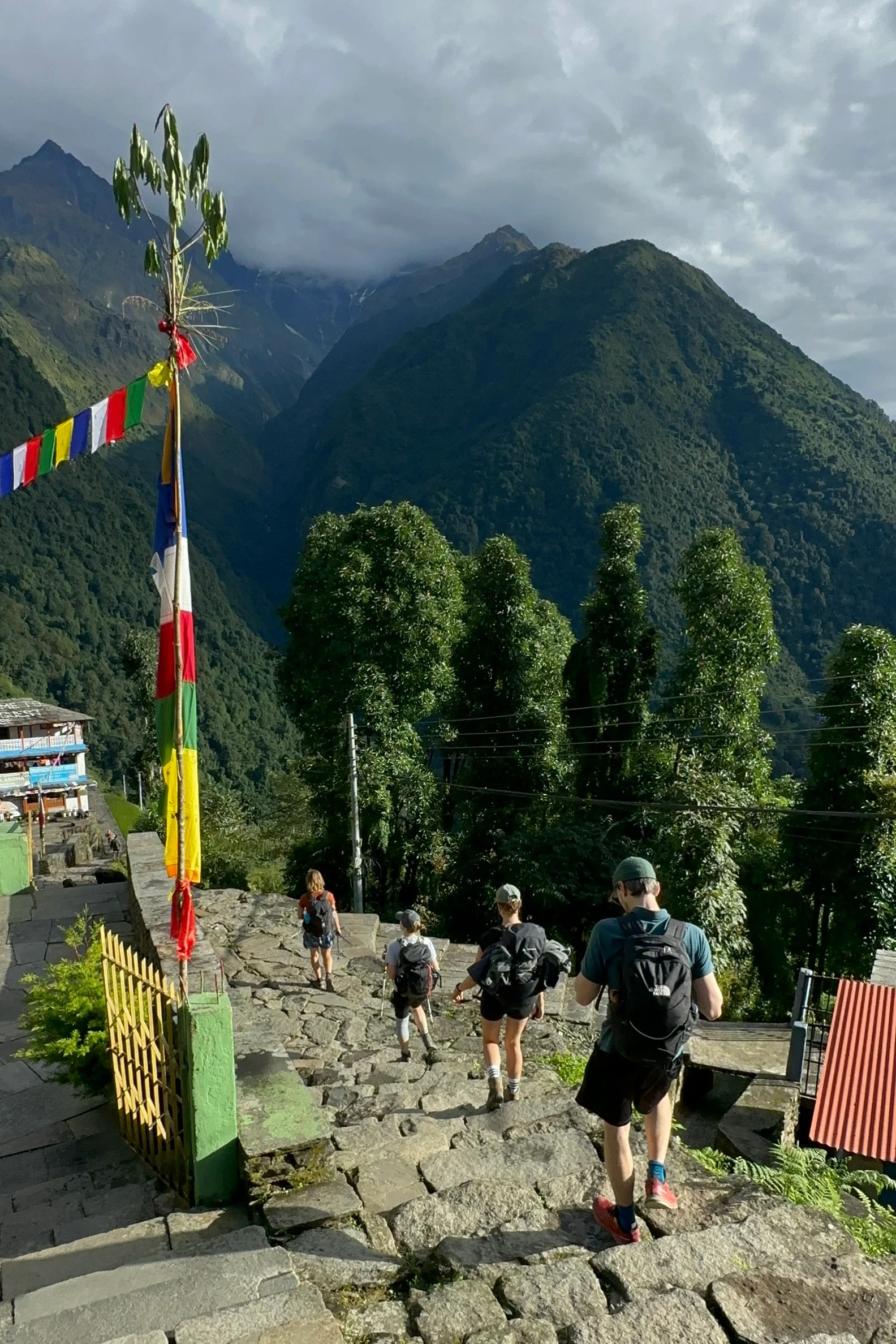
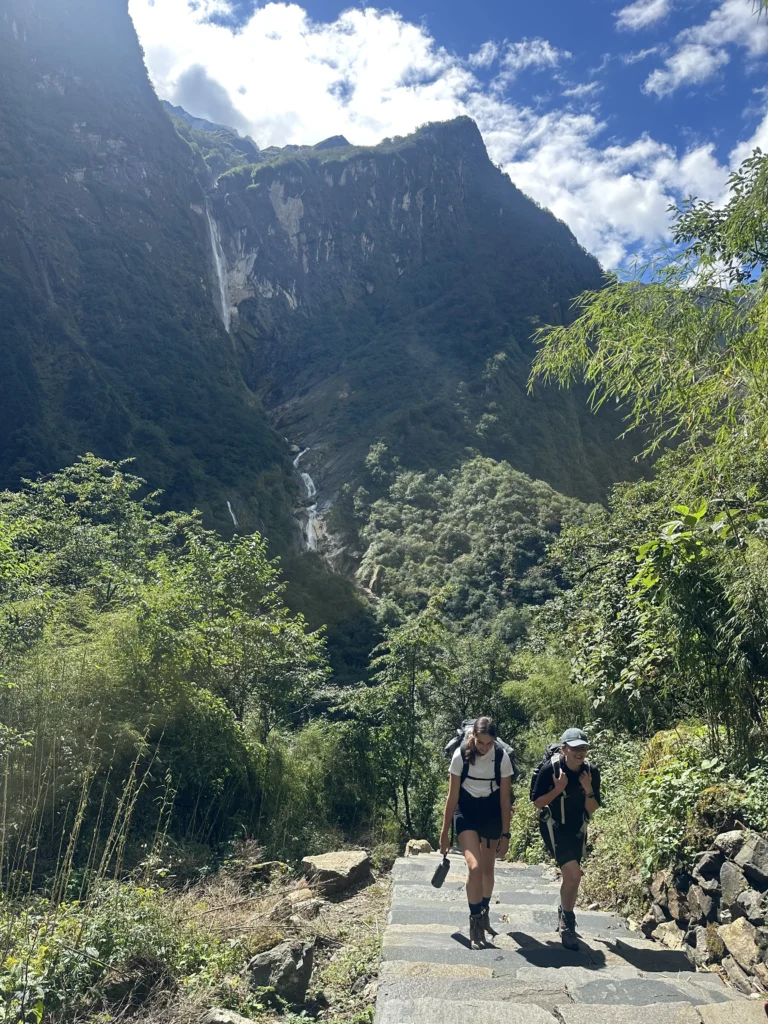
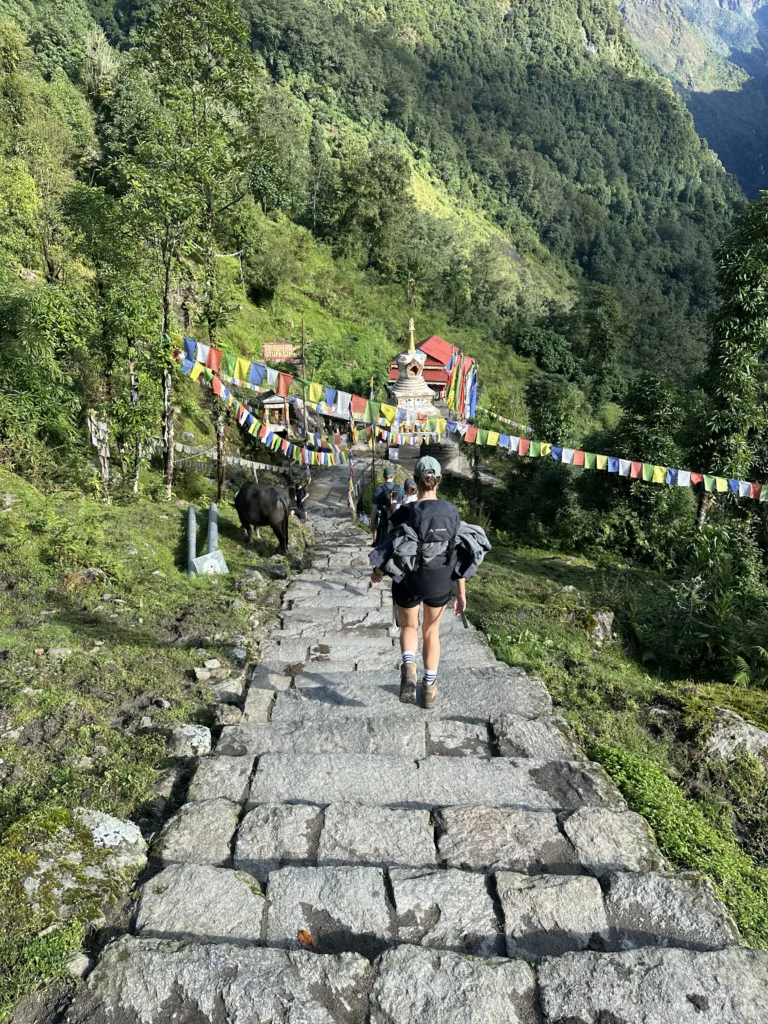
Between Chhomrong and Annapurna Base Camp, the trail alternates between long descents and steep ascents on stone-paved stairways. These are not gentle garden steps. They are irregular, sometimes slippery, often steep, and seemingly endless. The descent from Chhomrong to the Chhomrong Khola river involves around 2,200 steps down and then 2,200 steps back up on the return. Many trekkers find the descent harder on the knees than the ascent.
The section between Bamboo and Deurali involves continuous staircase trekking through dense rhododendron forest. By the time trekkers arrive at Deurali, their legs are often more fatigued than expected. This is one of the most consistent surprises our clients report on the Annapurna Base Camp trek difficulty assessment they share with us afterwards.
How Our Guides Help Trekkers Manage Their Energy
Our guides watch how trekkers descend, not just how they climb. The way you place your feet on stone steps going down, the degree to which you engage your knees versus your hips, the size of each step, all of this affects how your legs feel four days later when significant distance still lies ahead.
A technique our local Annapurna guides teach: on long descents, step sideways at a slight angle rather than facing straight down. This reduces impact load on the front knee and distributes effort across different muscle groups. After 1,000 steps, the difference is significant.
Guide Tip: Bring trekking poles. Even if you have never used them before, rent a pair in Kathmandu or Pokhara. Your knees will thank you somewhere between Chhomrong and Bamboo.
The Most Beautiful Moments Often Happen Before Reaching Annapurna Base Camp
There is a tendency to treat the destination as the only goal and everything before it as merely the journey. Our guides who have completed the Annapurna Base Camp trek hundreds of times would gently challenge that perspective.
Sunrise Over Machhapuchhre
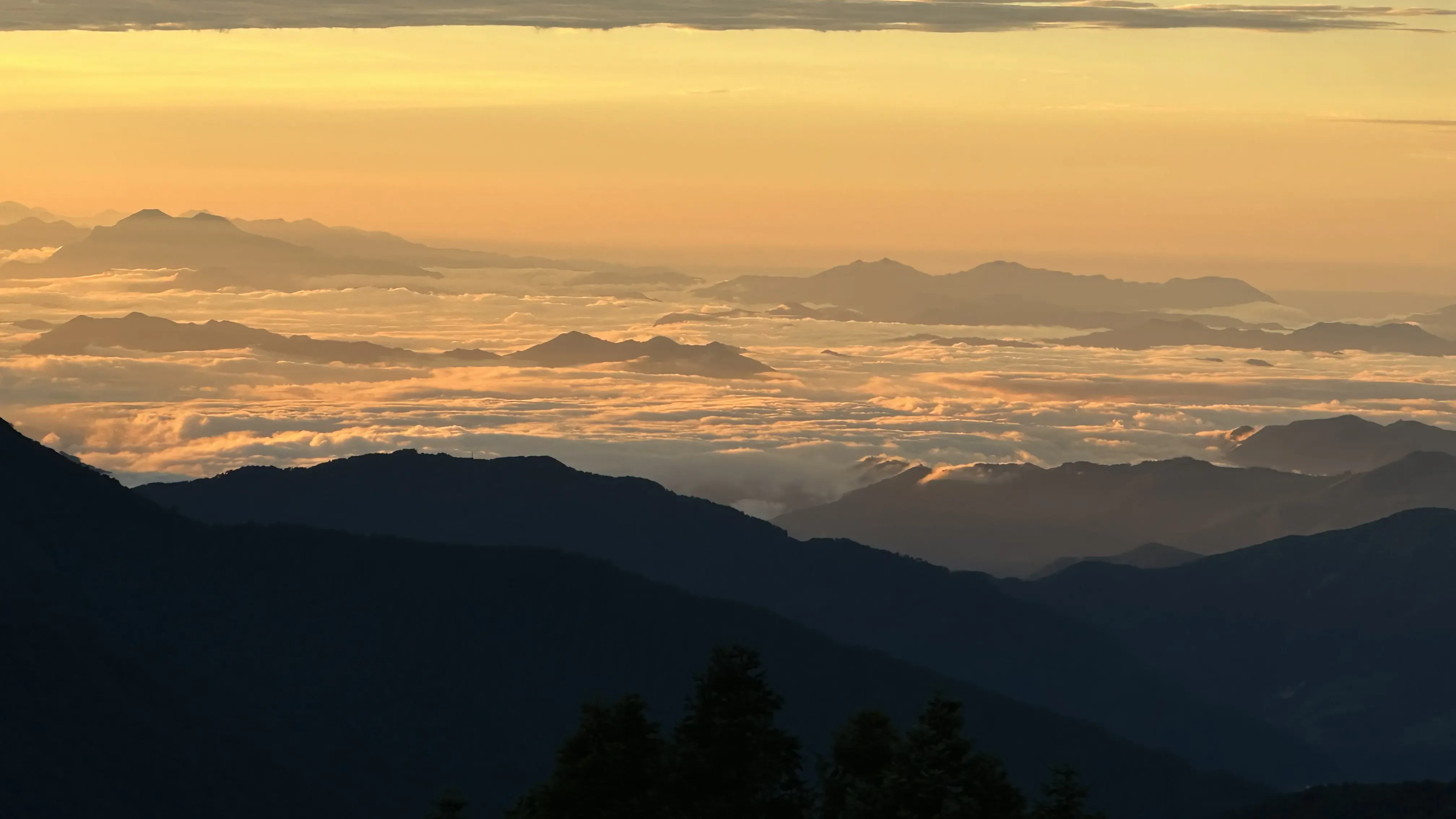
Machhapuchhre, the sacred fish-tail peak visible from Pokhara, dominates the view from Machhapuchhre Base Camp at 3,700 metres in a way that genuinely stops trekkers in their tracks. We have sat with hundreds of clients at this spot on our guided Annapurna Base Camp treks and watched people simply go quiet. The light on Machhapuchhre at sunrise, when the snow catches the first orange and pink tones of the morning, is something our guides count among the most memorable visual experiences on any trek in Nepal.
Quiet Mornings in Deurali
Deurali, at 3,230 metres, is a stopping point many trekkers treat as purely logistical. Sitting at a teahouse in Deurali on a clear morning before the clouds arrive, with the valley below still in shadow and the peaks ahead already lit by the sun, is one of those unexpected moments of quiet that trekkers mention when they talk about the Annapurna Base Camp trek experience months later.
Rhododendron Forests in Spring
If you trek between late March and mid-May, the rhododendron forests between Ghandruk and Chhomrong and between Bamboo and Deurali are in full bloom. Nepal’s national flower covers the hillsides in red, pink, and white. Walking through these forests is a sensory experience unlike anything else on the trail. Some clients have told us the rhododendron forest affected them more emotionally than reaching base camp. We believe it. Spring is our personal recommendation for the best time for the Annapurna Base Camp trek if scenery is your priority.
Tea House Life on the Annapurna Base Camp Trek Is Simpler Than Many Trekkers Imagine
We want to be honest about what accommodation on the Annapurna Base Camp trek is actually like, because we have seen the expectations gap cause unnecessary disappointment.
What Tea House Rooms Are Really Like
Tea house rooms on the ABC trail are simple, clean, and functional. In lower villages like Ghandruk and Chhomrong, some lodges now offer attached bathrooms, hot showers, and comfortable beds. This is the exception rather than the rule higher up the trail. Between Bamboo and Annapurna Base Camp, most rooms are small, have two single beds, a window, and shared bathroom facilities. Walls are thin. Bring earplugs. At ABC itself, the lodges are basic, which is entirely appropriate for accommodation sitting at over 4,000 metres surrounded by glaciers.
Food on the Annapurna Base Camp Trail
Dal bhat is the foundation of trekking nutrition on the ABC trail, and our guides will tell you it is not just cultural habit. It is genuinely the best food for sustained energy at altitude. The combination of rice, lentil soup, vegetables, and sometimes eggs provides slow-release energy that keeps you moving through long trekking days better than most alternatives on the menu.
Garlic soup, which our local Annapurna guides recommend particularly above 3,000 metres, has genuine properties that support circulation at altitude. Order it even if you are not usually a garlic soup person. You will thank us later.
Charging Devices and Wi-Fi Reality
Wi-Fi exists in most teahouses but its reliability decreases significantly above Chhomrong. Charging points are usually available in the dining room, often for a small fee above Bamboo. Bring a power bank with enough capacity to keep your phone and camera charged for three to four days independently.
The Local People Are Part of What Makes the Annapurna Base Camp Trek Special
The Annapurna Base Camp trek takes you through Gurung and Magar villages that have their own deep cultural histories entirely separate from the trekking industry. Getting to know these communities is one of the aspects of the Annapurna Base Camp trek experience that our clients consistently mention as unexpectedly meaningful.
Gurung Hospitality Along the ABC Trail
The Gurung people of the Annapurna region have a tradition of hospitality that predates tourism by centuries. In villages like Ghandruk, one of the largest Gurung settlements in Nepal, the combination of traditional stone houses, community tea houses run by local families, and the warmth of interaction with residents creates an atmosphere that feels genuinely different from a commercial tourist destination.
Our guides, several of whom are from Gurung communities themselves, facilitate conversations and connections with local families that trekkers on independent treks simply do not access. These moments, a conversation with a teahouse owner about how the Annapurna Base Camp trail has changed over thirty years, a shared meal with a local family, watching children walk home from school on paths that are also the main trekking route, add a human dimension that the mountain scenery alone cannot provide.
Stories From Mountain Villages on the Annapurna Route
One of our senior guides has a story he tells clients about a teahouse owner in Deurali who served him his first ever cup of tea on the trail thirty years ago, and who is still there today, now with her adult daughter managing the lodge. This kind of multigenerational continuity, families who have spent decades welcoming trekkers while living traditional mountain lives, is something you encounter repeatedly on the Annapurna Base Camp trek. It is worth slowing down enough to notice.
Reaching Annapurna Base Camp Is an Emotional Annapurna Base Camp Trek Experience
We say this not to set expectations artificially high, but because we have witnessed it so many times that it would feel dishonest not to mention it.
What Trekkers Often Say When They Arrive
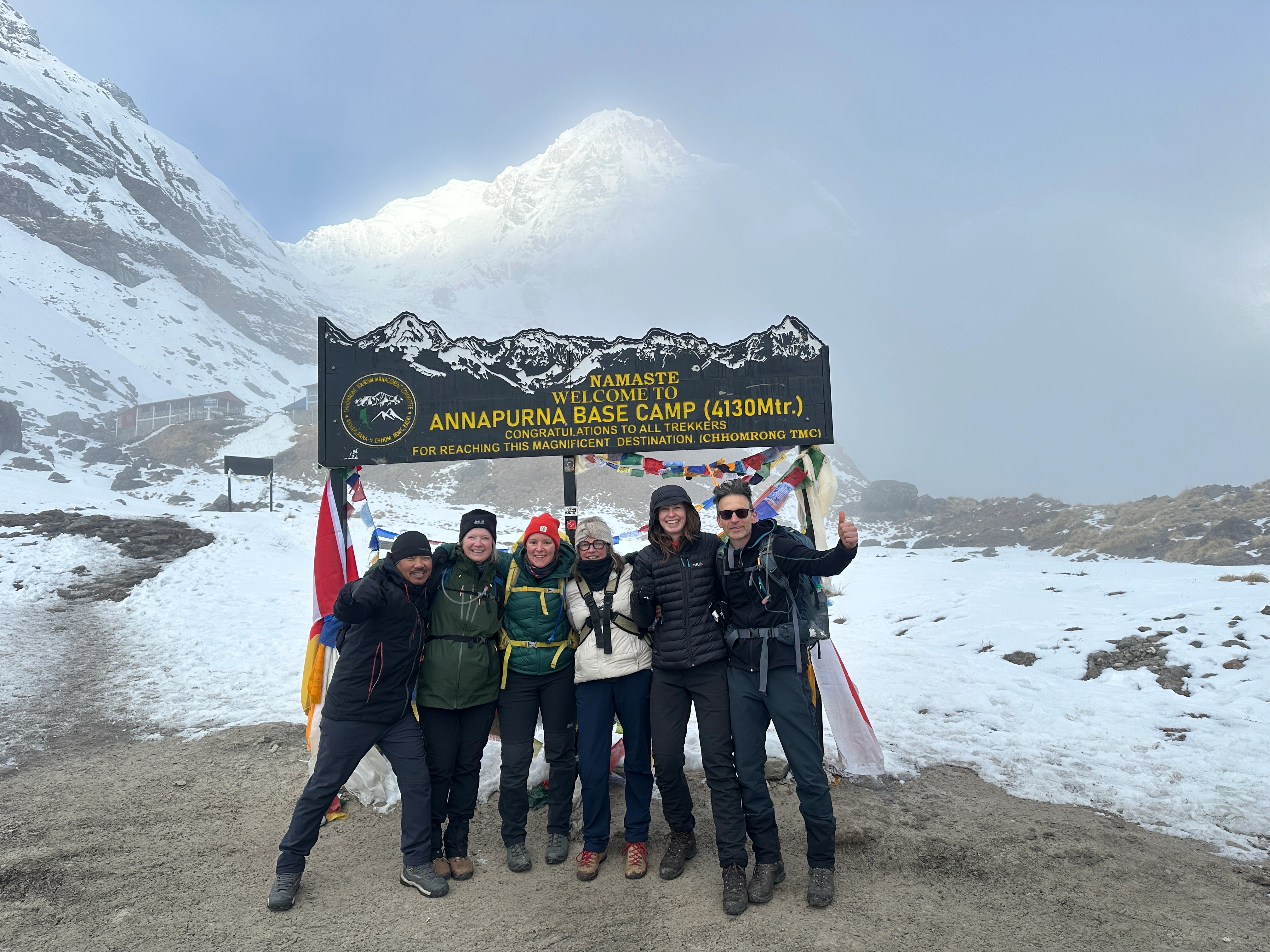
Standing at Annapurna Base Camp, completely surrounded on three sides by peaks above 7,000 metres, the Annapurna massif to the north, Hiunchuli to the south, and Machhapuchhre dominating the eastern view, produces a feeling that is difficult to describe and almost impossible to anticipate. The scale is simply beyond what most people have experienced before.
Over the years on our guided Annapurna Base Camp treks, we have heard people go completely silent. We have seen people cry. We have seen people call home immediately and struggle to explain where they are standing. We have watched trekkers who said they were not emotional look genuinely overwhelmed by the Annapurna Base Camp journey they had just completed.
Why the Final Day of the Annapurna Base Camp Trek Feels Different
The final push from Machhapuchhre Base Camp to Annapurna Base Camp takes around two hours on a clear day. The trail crosses the glacier moraine and the scale of what surrounds you begins to become apparent even before you arrive. Many trekkers go quiet on this section. Our guides walk alongside without filling the silence, because sometimes the mountain deserves it.
Common Mistakes Our Guides See Every Annapurna Base Camp Trek Season
After three decades of guiding the Annapurna Base Camp trek, our team has seen the same patterns repeat season after season. These are the most important ones to know before you start.
Walking Too Fast in the Early Stages
The trail between Nayapul and Ghandruk, and between Ghandruk and Chhomrong, is deceptively manageable in the early days of the Annapurna Base Camp trek. Some trekkers complete these sections faster than their itinerary suggests and feel encouraged by this. The problem is that accumulated physical debt from early overexertion often presents itself precisely at the point where the trail becomes both more demanding and higher in altitude.
Ignoring Hydration Throughout the Trek
Many trekkers underestimate how much fluid they need at altitude. At sea level, most people function on one and a half to two litres per day. At the altitudes of the Annapurna Base Camp trek, particularly above Deurali, the combination of increased breathing rate, lower humidity, and physical exertion means the body loses fluid significantly faster. Three to four litres per day is a realistic minimum. This is one of the most practical and impactful pieces of Annapurna Base Camp trekking advice we can offer.
What Our Local Guides Wish Every Trekker Knew Before Starting the Annapurna Base Camp Trek
If we could sit down with every person planning the Annapurna Base Camp trek and share one conversation before they started, it would include these things.
- The Annapurna Base Camp trek will be harder than you expect in specific ways you cannot predict, and easier than you fear in others. Trust the process and your guide.
- Your local Annapurna guide is not just a navigation resource. They are your primary safety resource, your cultural connection to the communities you pass through, and your most reliable source of real-time trail information. Talk to them.
- Rest days are not lost days on the Annapurna Base Camp itinerary. They are investment days. Your body absorbs altitude adaptation during rest, not during exertion.
- The Jhinu Danda hot springs, a short detour from Chhomrong on the descent, should not be skipped. After ten days of trekking, sitting in a natural hot spring above a river gorge with the Annapurna range visible above you is an experience worth building into your Annapurna Base Camp trek itinerary.
- Take more photographs than you think you need in the rhododendron forests in spring. Every trekker who has done the Annapurna Base Camp trek in April regrets not taking more.
- On the final morning at ABC, wake up before sunrise. Set your alarm. Get outside. The Annapurna massif in the pre-dawn light is different from anything you will see at any other time of day.
Final Thoughts From Our Annapurna Base Camp Trek Guides
The Annapurna Base Camp trek is, in our experience guiding thousands of trekkers over thirty years, one of the most complete trekking experiences available anywhere in the world. It combines continuous scenic beauty, genuine cultural depth, accessible altitude challenge, and a daily rhythm that most trekkers describe as genuinely life-changing by the end.
We will not pretend the Annapurna Base Camp trek is easy. The stone staircases will test your knees. The altitude will affect your sleep. There will be days when the clouds close in and you walk for hours in grey mist. There will be a morning when you wake up with a headache and wonder whether you pushed too hard the day before.
But there will also be the moment you step out of a teahouse at Machhapuchhre Base Camp at six in the morning and see Machhapuchhre’s peak lit gold against a completely clear sky. There will be the conversation with a Gurung grandmother who has been welcoming Annapurna Base Camp trekkers at her lodge since before you were born. There will be the moment you walk the final approach to Annapurna Base Camp and understand, properly, what it means to be surrounded by the highest mountains on earth.
Our guides have walked this trail hundreds of times each, and they still find it extraordinary. We think you will too.
Ready to Trek Annapurna Base Camp with Local Expert Guides?
Himalayan Leaders has been guiding trekkers on the Annapurna Base Camp trek since 1989. Whether you are planning your first Himalayan trek or comparing guided Annapurna Base Camp trek packages for next season, we would love to help you plan the experience that is right for you.
Our team answers every inquiry personally, because we believe the relationship starts before you ever set foot on the trail. Contact us for personalised Annapurna Base Camp trekking advice, flexible itinerary options, and transparent cost breakdowns.
Website: www.himalayanleaders.com
WhatsApp: +977 9851047789
Email: info@himalayanleaders.com
Final Thoughts From Our Annapurna Base Camp Trek Guides
The Annapurna Base Camp trek is, in our experience guiding thousands of trekkers over more than 30 years, one of the most complete mountain experiences available anywhere in the world. It combines continuous scenic beauty, genuine cultural depth, accessible altitude challenge, and a daily rhythm that most trekkers describe as genuinely life-changing by the end.
We will not pretend it is easy. The stone staircases will test your knees. The altitude will affect your sleep. There will be days when the clouds close in and you walk for hours in grey mist. There will be a morning when you wake up with a headache and wonder whether you pushed too hard the day before.
But there will also be the moment you step out of a teahouse at Machhapuchhre Base Camp at six in the morning and see that peak lit gold against a completely clear sky. There will be the conversation with a Gurung grandmother who has been welcoming trekkers at her lodge since before you were born. There will be the moment you walk the final approach to base camp and understand, properly, what it means to be surrounded by the highest mountains on earth.
Our guides have walked this trail hundreds of times each, and they still find it extraordinary. We think you will too.
If you are ready to walk it with us, our 16 Day Annapurna Base Camp Trek is where most of our clients start. If you want to experience the same mountains, the same villages, and the same valleys from an entirely different angle, our Annapurna Mountain Biking Package is worth a serious look.
Whatever you decide, our team is here to help you plan it right — before you ever set foot on the trail.
If you are ready and want to know more: